

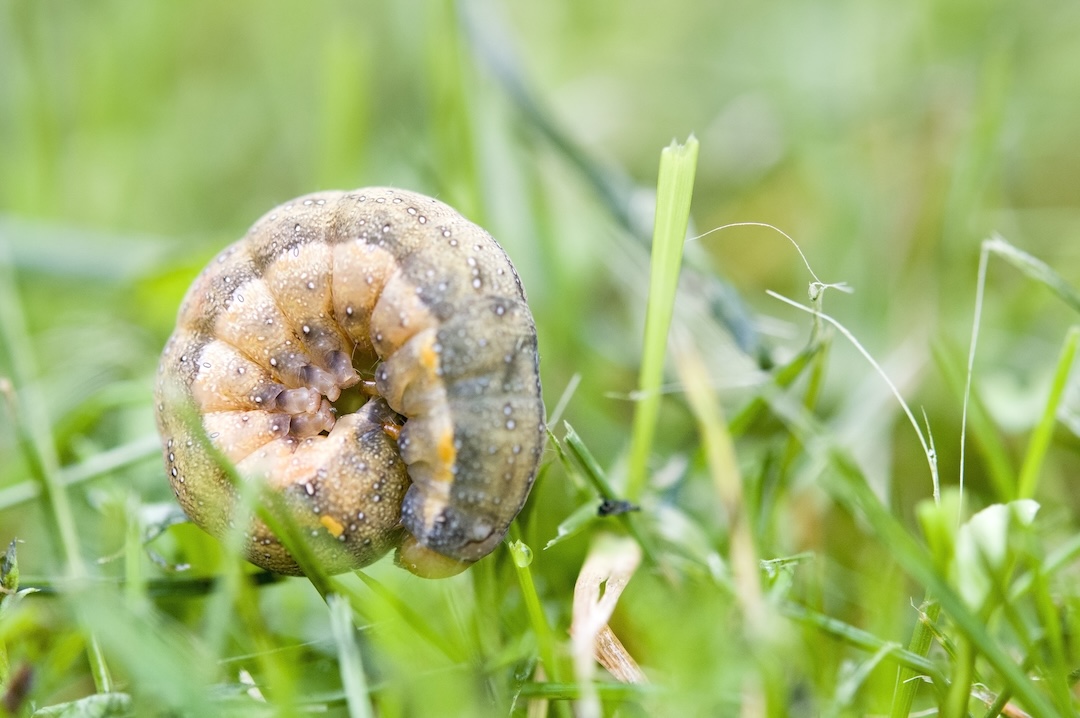
Not every lawn develops the same problems with grubs. If you notice grub-related damage in one part of your yard but not another, there may be conditions making that area more vulnerable. Grubs can affect many lawns, but the condition of your turf and soil can influence how well your grass handles root damage.
Understanding these conditions can help you make better decisions about lawn care and spot potential problems earlier.
Weak Turf Has Less Room to Recover
Healthy grass has a strong root system and enough density to handle common lawn stresses. When turf is already thin, dry, or struggling, damage below the surface can have a greater effect.
Several conditions can weaken grass:
- Drought or inconsistent watering
- Compacted soil
- Poor nutrition
- Heavy foot traffic
- Thin or bare patches
- Existing lawn pest problems
These issues do not automatically cause a grub infestation. However, when grass is already under stress, it may have a harder time recovering if grubs damage its roots.
Soil Conditions Matter
What happens beneath your lawn can be just as important as what you see above it. Compacted soil can restrict root growth and reduce the spaces that allow air and water to move through the soil.
Poor soil conditions can also make it harder for grass to establish a strong root system. If your lawn repeatedly struggles in the same locations, look at the soil as well as the grass.
A lawn that has difficulty absorbing water or supporting healthy roots may need attention beyond simply treating visible problems.
Watering Can Affect Lawn Strength
Grass needs consistent access to moisture, but too much or too little water can create problems. During dry periods, insufficient moisture can put turf under stress. Poor drainage can create a different issue by leaving parts of the lawn wet for too long.
Neither condition guarantees grub activity. However, a lawn that is regularly stressed may have more difficulty recovering from root damage. Pay attention to areas that dry out much faster than the rest of the yard, as well as spots where water remains after rainfall.
Thin Grass Creates More Open Space
Dense turf can help limit bare areas where weeds and other lawn problems can establish. When grass becomes thin, the soil surface is more exposed, and the overall root system may be less developed.
Thinning can happen for many reasons, including shade, foot traffic, poor growing conditions, drought, or inadequate nutrition. If certain parts of your lawn always look thinner than others, identifying the reason can help improve the overall condition of the turf.
Look for Clues Above Ground
Grubs live beneath the soil, so you may not notice them right away. Instead, watch for changes in your lawn that could point to root damage.
Potential signs include:
- Grass that feels loose when pulled
- Brown or thinning patches
- Areas that fail to improve with watering
- Increased digging by skunks, raccoons, or birds
- Grass that appears increasingly weak
These signs can have other causes, so they should not automatically be treated as proof of grubs. A closer assessment can help determine what is happening.
Keep Your Lawn Better Prepared
At LawnMart, our grub control approach can help address grub-related lawn problems while fitting into a broader lawn maintenance plan. Consistent care can also support stronger turf that is better prepared to handle everyday stresses.
There is no single lawn condition that guarantees grub activity. Instead, several factors can affect how well grass responds when root-feeding insects are present.
If you keep noticing damaged or thinning areas in your yard, reach out to our team to discuss your lawn and learn more about our grub control services.