

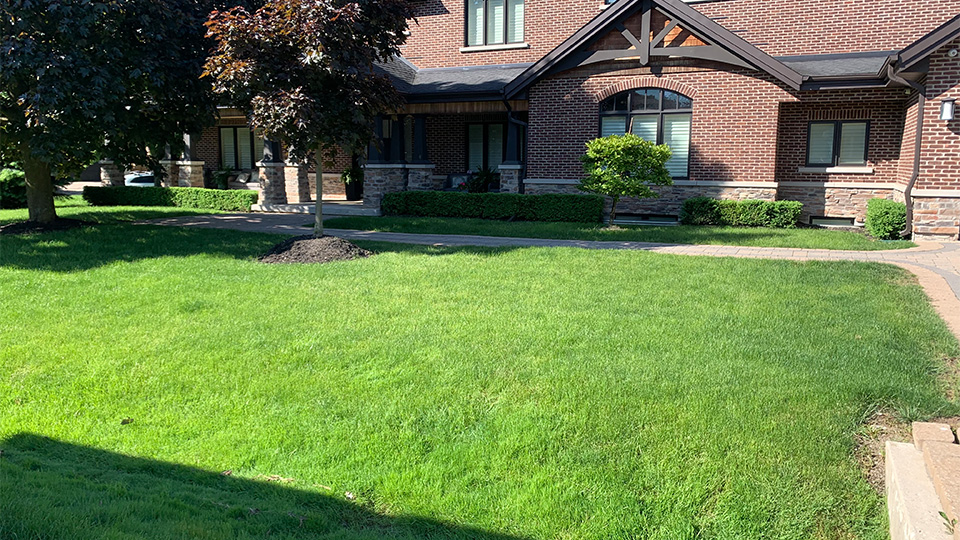
Moving into a new home is exciting, but once the boxes are unpacked, the lawn outside can feel like a whole new challenge. Whether the yard is brand new sod, an older lawn, or something in between, it is normal to feel unsure about where to begin.
The good news is that lawn care does not need to be complicated. A simple starting plan can make a big difference in how your lawn looks and grows over time.
Start by Understanding Your Lawn Condition
Before doing anything, it helps to take a closer look at what you are working with. Not all lawns start in the same condition, especially in newer or recently purchased homes.
Some common scenarios include:
- Fresh sod that needs root establishment
- Older lawns with patchy or thinning areas
- Lawns with visible weeds or uneven growth
- Soil that feels hard or compacted
Each situation needs a slightly different approach, so observing your lawn first helps you avoid unnecessary work and focus on what actually matters.
Get the Basics Right First
Many new homeowners feel pressure to fix everything at once, but lawn care works best when you start with the basics.
A strong foundation usually includes:
- Regular mowing (without cutting grass too short)
- Consistent watering, especially in dry periods
- Clearing debris like leaves and branches
- Watching for early weed growth
These simple steps help your lawn settle in and build steady growth over time.
Focus on Soil Health Early On
Healthy grass starts below the surface. If the soil is compacted or low in nutrients, the lawn will struggle no matter how often it is watered.
Signs of poor soil health include:
- Water sitting on the surface after rain
- Grass that looks thin or weak
- Hard ground that is difficult to dig into
In many cases, lawn aeration can help improve airflow, water absorption, and nutrient movement in the soil. This makes it easier for new grass to grow stronger roots.
Don’t Ignore Weeds Early
Weeds are much easier to control when they are still small. Waiting too long often leads to them spreading quickly across the lawn.
A good early approach is to:
- Remove small weeds as soon as they appear
- Avoid letting weeds go to seed
- Watch high-growth areas like edges and shaded spots
Keeping weeds under control early helps protect the long-term health of your lawn.
Be Patient with Growth
One of the biggest mistakes new homeowners make is expecting fast results. Lawns take time to settle, especially after seeding or sod installation.
Grass needs time to:
- Develop deeper roots
- Adjust to soil conditions
- Strengthen against weather changes
Consistency matters more than speed. A steady routine will always lead to better long-term results than quick fixes.
Know When Extra Help Is Needed
Sometimes a lawn needs more than basic maintenance. If the grass continues to struggle even after regular care, it may be due to soil issues, pests, or uneven growth patterns.
With help from a professional lawn care company like LawnMart, lawns across the GTA can be properly assessed based on factors such as soil health, moisture levels, and seasonal stress. This allows for a customized treatment plan that addresses your lawn’s specific needs instead of relying on guesswork.
Building a Lawn You Can Rely On
Starting with a new lawn can feel overwhelming, but it becomes much easier when you focus on the basics first. Good watering habits, proper mowing, soil care, and early weed control all work together to create steady improvement.
Over time, these small steps lead to a lawn that looks healthier, feels stronger, and is easier to maintain.
A Simple Way to Get Started Right
Every lawn has a learning curve, especially for new homeowners. The key is not doing everything at once but doing the right things consistently.
If you are unsure where your lawn stands or what it needs first, LawnMart can help assess your property and guide you toward the right starting point for long-term lawn health. Reach out to us today to know more.