

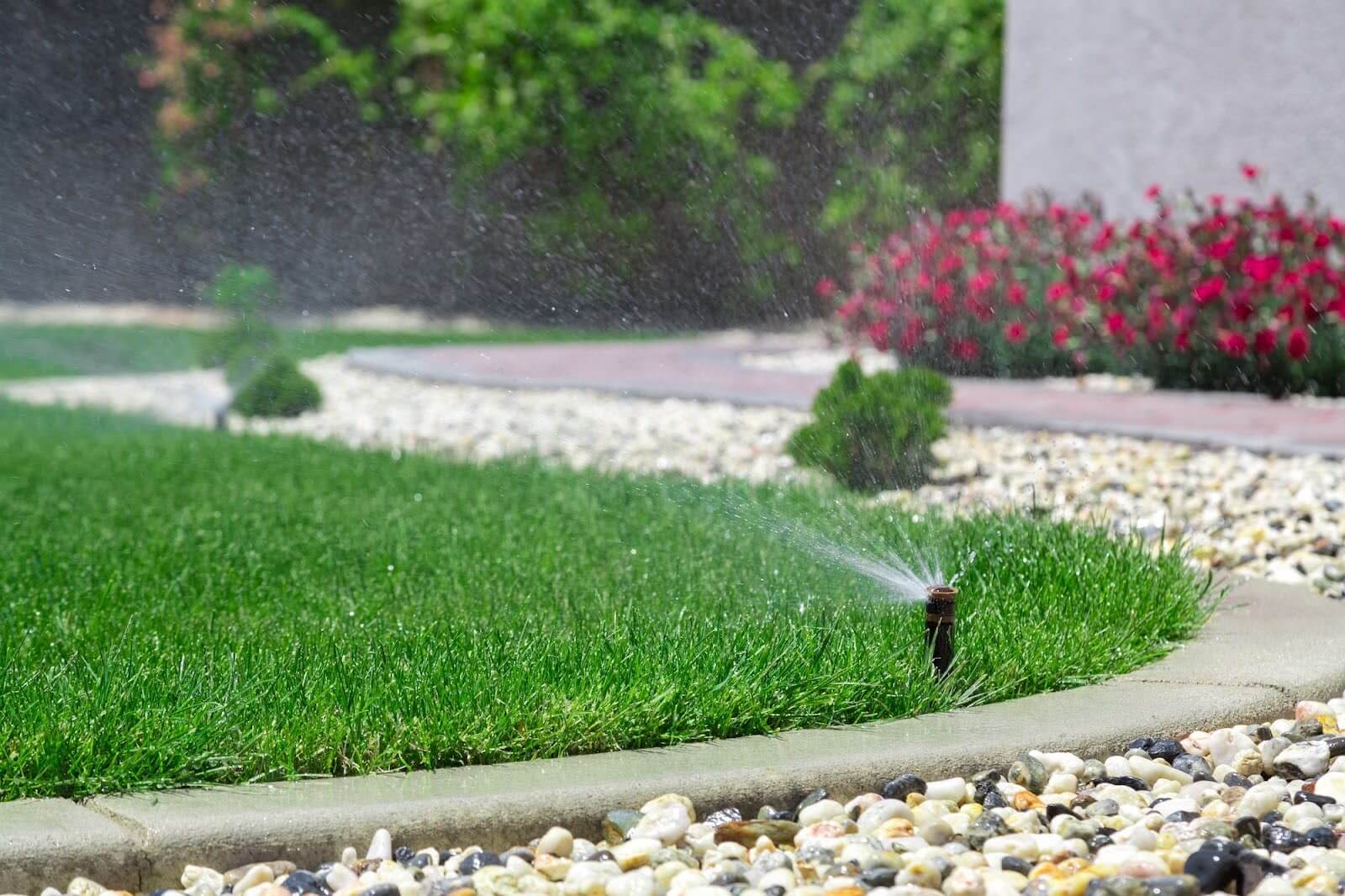
Heavy rain is a normal part of living in Ontario, but too much water sitting on your lawn can create serious problems. When your yard cannot drain properly, excess moisture can weaken grass, damage roots, and create conditions where weeds and lawn diseases become more likely.
A flooded lawn is not always caused by heavy rainfall alone. Soil conditions, drainage issues, and lawn maintenance habits can all affect how well your yard handles water. By understanding what causes standing water, you can take steps to protect your grass and keep your outdoor space healthier throughout the year.
Improve Soil Conditions for Better Water Absorption
One of the most common reasons for lawn flooding is compacted soil. When soil becomes tightly packed, water cannot move through it easily. Instead of soaking into the ground, rainwater stays on the surface and creates puddles.
Compaction often happens because of:
- Heavy foot traffic
- Outdoor activities
- Lawn equipment use
- Poor soil structure
When water cannot reach the roots, grass becomes weaker and more vulnerable to damage. Improving soil conditions allows moisture to move more naturally through the lawn.
This is where lawn aeration can help. By creating small openings in the soil, aeration improves airflow and allows water, nutrients, and oxygen to reach deeper into the root system.
Keep Your Lawn Healthy with Proper Maintenance
A thick, healthy lawn is better equipped to handle changing weather conditions. Strong grass roots help absorb moisture while creating a more stable lawn surface.
Regular maintenance, including proper mowing, fertilizing, and seasonal care, supports stronger turf growth. For example, applying the right nutrients through a consistent lawn fertilization program can help grass develop deeper roots and recover more effectively after periods of heavy rain.
However, too much fertilizer or improper application can also contribute to lawn issues, so it is important to use the right approach for your property.
Check for Drainage Problems Around Your Yard
Some flooding problems are caused by the landscape itself. If your yard slopes toward your home, has areas where water collects, or receives runoff from nearby properties, rainwater may have nowhere to go.
Take a look around your lawn after rainfall and watch for:
- Puddles that remain for several hours
- Water flowing toward your foundation
- Areas where grass looks thin or unhealthy
- Soft, muddy sections that are difficult to walk on
Identifying these problem areas early can help prevent bigger lawn issues in the future.
Avoid Cutting Your Grass Too Short
Mowing habits can also affect how your lawn handles moisture. Grass that is cut too short often develops weaker roots and has a harder time recovering from stress.
Keeping your grass at the proper height helps:
- Protect the soil from direct sun exposure
- Encourage deeper root growth
- Improve moisture retention
- Support stronger turf coverage
A healthy lawn with strong roots is more likely to absorb water efficiently after heavy rainfall.
Remove Lawn Debris Before It Becomes a Problem
Leaves, branches, and other organic materials can block water movement across your lawn. When debris builds up, it can prevent sunlight and air from reaching the grass underneath.
Regularly clearing your yard, especially during fall, helps reduce areas where moisture can become trapped. This simple step supports better lawn health and prevents unnecessary stress on your grass.
Protect Your Lawn During Ontario’s Changing Weather
Heavy rainfall, snowmelt, and seasonal changes can all affect your lawn’s ability to manage water. A little prevention goes a long way when it comes to avoiding standing water and long-term lawn damage.
At LawnMart, we help homeowners maintain healthier lawns with solutions designed around local growing conditions. From improving soil health to maintaining stronger turf, the right lawn care approach can make your yard more resilient through every season.
A flooded lawn does not have to become a recurring problem. If your lawn struggles with standing water or poor growth after rainfall, contact us today. Our team can help you find the right approach to maintain a healthier, stronger lawn all year long.