

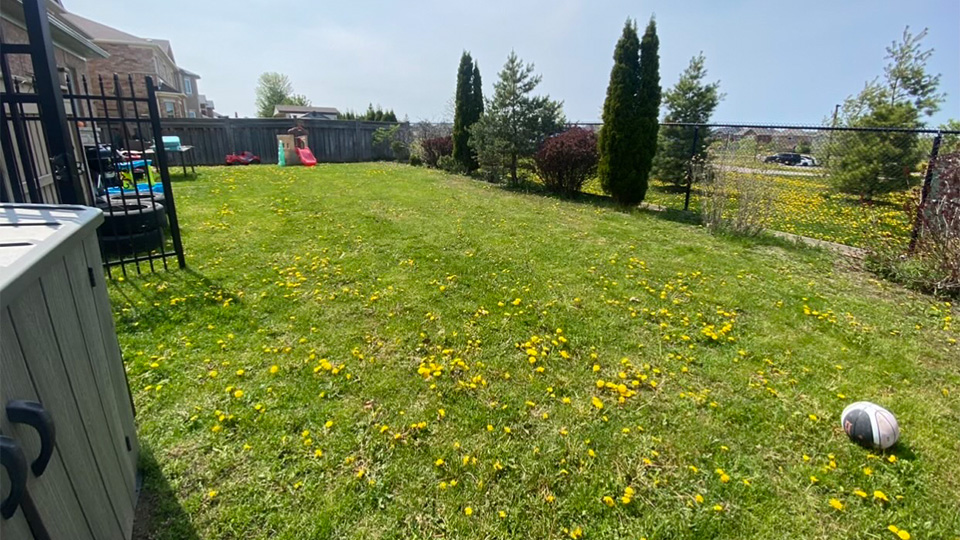
Not every lawn weed grows in the same way. Some weeds complete their life cycle within a single growing season, while others can return year after year. Knowing the difference between annual and perennial weeds can help you understand why certain weeds disappear in colder weather only to return later.
The distinction also matters when planning an effective weed control approach. Different growth cycles require different ways of managing them.
What Are Annual Weeds?
Annual weeds complete their entire life cycle within one growing season. They germinate, grow, produce seeds, and die, although those seeds can remain in the soil and produce new plants later.
Crabgrass is a familiar example of an annual lawn weed. It tends to appear during warmer weather and can spread across thin areas of turf.
Annual weeds can be frustrating because removing the visible plants does not necessarily prevent another generation. Once seeds have been produced, they may remain in the soil until conditions are right for germination.
What Makes Perennial Weeds Different?
Perennial weeds can live for several years. Instead of relying only on new seeds each season, many can survive through their roots or other plant structures and grow again when conditions become favourable.
Dandelions are a common example. Their deep taproots allow them to survive from one growing season to the next. Other perennial weeds can spread through creeping stems or underground growth. This helps explain why simply pulling visible growth may not always solve the problem.
Why the Difference Matters
Annual and perennial weeds can both compete with grass for sunlight, water, nutrients, and growing space. However, their different life cycles affect how you approach them.
With annual weeds, preventing or limiting seed production can be especially important. With perennial weeds, the focus may also need to include the structures that allow the plant to survive and return. That is why identifying the weed is useful before deciding how to manage it.
Lawn Conditions Still Play a Big Role
Even though annual and perennial weeds behave differently, lawn health can influence how easily they establish.
Thin turf leaves open areas where weed seeds can germinate. Compacted soil can make it harder for grass roots to grow properly. Poor nutrition, drought stress, and heavy traffic can also weaken turf.
A stronger lawn gives weeds less room to establish. Regular maintenance can therefore be an important part of long-term weed prevention.
Why Weeds Keep Coming Back
Have you noticed the same type of weed returning in the same part of your yard? The growth pattern may provide a useful clue.
For example, perennial weeds can return from established root systems, while annual weeds may reappear because seeds were left behind during the previous growing season.
The surrounding conditions matter, too. If one section of your lawn repeatedly develops weeds, look at what makes that area different from the rest of the property.
Managing Weeds Takes More Than One Step
Pulling weeds as soon as they appear can help keep small problems from becoming larger ones, but recurring weed growth may require a broader lawn care plan. At LawnMart, our approach to weed control considers unwanted growth as part of the overall condition of your lawn.
Supporting healthy turf while managing existing weeds can help create a better environment for the grass you want to keep.
Understanding whether a weed is annual or perennial gives you a clearer picture of why it behaves the way it does. If recurring weeds are becoming difficult to manage, reach out to our team today to learn more about our weed control and lawn care services for your property.