

If you’ve been putting off lawn aeration year after year, you’re not alone. It’s one of those lawn care tasks that’s easy to skip because your grass still looks green on the surface. But underneath, your soil could be quietly working against you. Here’s what actually happens when aeration gets left off your to-do list, and why it matters more than you might think.
Your Soil Gets Packed Tight
Every time you walk across your yard, mow, or let the kids and pets run around, you’re compacting the soil a little more.
Over time, that soil turns hard and dense, leaving barely any room for air, water, and nutrients to reach the roots. Grass roots need breathing room to grow deep and strong. Without it, they stay shallow and weak, which makes your whole lawn more vulnerable to heat, drought, and heavy foot traffic.
Thatch Builds Up Fast
Thatch is that spongy layer of dead grass, roots, and debris that sits between your soil and your grass blades. A little thatch is normal, but without aeration, it piles up quickly and starts blocking water and nutrients from soaking in.
Thick thatch also creates the perfect hiding spot for pests and disease, so you end up dealing with more problems than just a compacted lawn.
Water Runs Off Instead of Soaking In
Ever notice puddles forming on your lawn after a rainstorm, or water just running off into the driveway? That’s usually a sign of compacted soil. Instead of soaking down to the roots where it’s needed, water sits on top or drains away. This means you could be watering your lawn regularly and still not giving your grass what it actually needs to thrive.
Your Grass Becomes Weed Bait
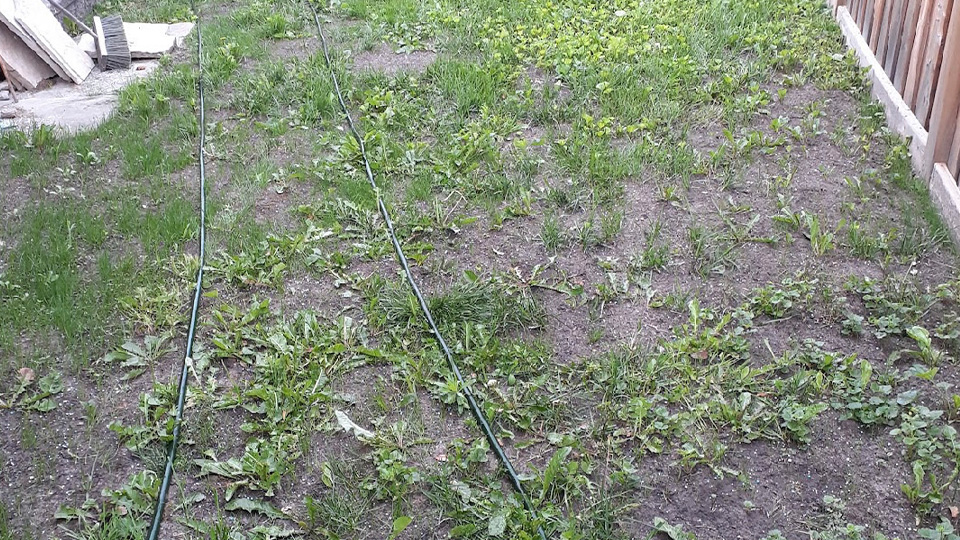
Weeds are opportunists. They don’t need much to take root, and compacted, stressed-out soil is exactly the kind of environment they love. Meanwhile, your grass is struggling to compete because its roots can’t access what they need.
Left unchecked for a few seasons, this can turn a once-thick lawn into a patchy mess dotted with dandelions and crabgrass.
Fertilizer and Seeding Won’t Work as Well
If you’re investing in fertilization or overseeding but skipping aeration, you might not be getting your money’s worth. Compacted soil makes it hard for those nutrients and new seeds to actually reach the root zone. You could be doing everything else right and still see disappointing results simply because the soil isn’t ready to absorb what you’re giving it.
So, How Often Should You Aerate?
Most lawns in Ontario benefit from an aeration service at least once a year, ideally in the fall or spring when grass is actively growing and can recover quickly. High-traffic lawns, clay-heavy soil, or yards with pets might need it more often. A few signs it’s time:
- Water pools instead of soaking in
- Your lawn feels spongy or hard as a rock in different spots
- Grass looks thin, patchy, or slow to recover from stress
- It’s been over a year since your last aeration
The Bottom Line: Don’t Let Your Lawn Suffer in Silence
Skipping aeration doesn’t cause damage overnight, but the effects add up year after year, leaving you with a lawn that’s harder to fix the longer it’s ignored. The good news is that it’s a simple fix with a big payoff. A properly aerated lawn recovers faster, holds onto water better, and gives every other treatment you invest in a real chance to work.
Ready for a Lawn That Actually Thrives?
If your lawn has been feeling more stressed than lush lately, it might be time to get your lawn aerated. At LawnMart, our team has been helping homeowners across the GTA and Simcoe County grow healthier, greener lawns since 1996. Reach out to us today and let’s get your soil breathing again.