

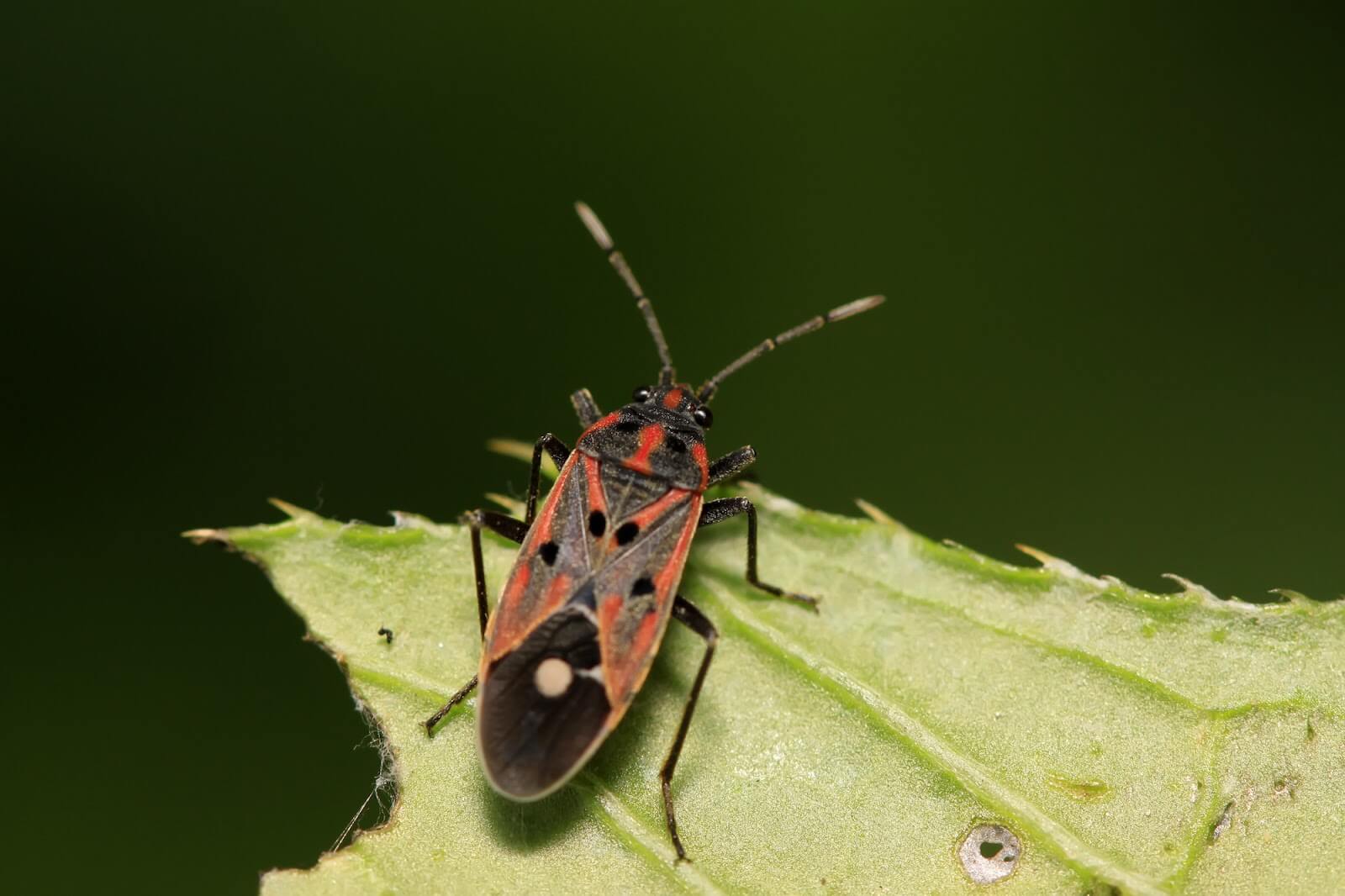
A healthy lawn depends on what is happening above and below the surface. While many homeowners notice visible problems like brown patches or thinning grass, some lawn issues begin much earlier in the soil. Insect eggs can develop unnoticed and eventually lead to pests that damage grass roots and affect the overall health of your yard.
Knowing what to look for can help you catch potential problems early. With regular lawn care and attention to changes in your grass, you can take steps to protect your lawn before insect activity becomes more difficult to manage.
Look for Changes in Grass Health
Insect eggs themselves are often difficult to spot because they are small and usually hidden in the soil or thatch layer. Instead, the first signs often appear through changes in your lawn’s condition.
Watch for areas where your grass:
- Becomes thinner than usual
- Loses its healthy green colour
- Starts growing unevenly
- Struggles to recover after weather changes
These issues do not always mean insects are present, but they can indicate that something is affecting your lawn’s root system.
When insects lay eggs in the soil, the larvae that hatch later may feed on grass roots. Over time, this can prevent your lawn from absorbing water and nutrients properly.
Check Your Soil During the Growing Season
The best time to inspect your lawn is during active growing periods when insects are more likely to be present. Gently lifting a small section of soil or turf can sometimes reveal signs of insect activity.
You may notice:
- Small clusters of eggs near the soil surface
- Increased insect movement around your lawn
- Damaged roots beneath the grass
- Loose sections of turf that lift easily
Although finding insect eggs can be concerning, early detection gives you more options for protecting your lawn.
Understand How Lawn Pests Affect Grass
Many lawn insects go through different life stages, and the damage often happens after eggs hatch. For example, grubs begin as eggs before developing into larvae that feed beneath the soil. As these pests grow, they can weaken grass by damaging the roots that keep your lawn anchored and healthy.
Signs of possible grub activity include:
- Grass that feels loose when pulled
- Increased wildlife digging in your yard
- Irregular brown areas
- Weak patches that do not improve with watering
When left untreated, lawn pests can continue damaging grass roots beneath the surface. This makes it harder for your lawn to recover and can lead to larger areas of thinning or dying grass over time.
Maintain Strong Grass to Reduce Lawn Stress
Lawn care helps create conditions where grass can better withstand environmental challenges. A well-maintained lawn with strong roots and healthy soil is less likely to experience severe damage.
Regular practices such as proper mowing, watering, and fertilizing all contribute to stronger turf. In some cases, treatments like grub control can help manage lawn pests and protect your grass from root damage.
At LawnMart, we use targeted lawn care solutions to help homeowners maintain healthier lawns while addressing common issues caused by insects and seasonal changes.
Avoid Waiting Until Damage Becomes Visible
Many lawn problems become harder to correct once damage is widespread. While insect eggs may seem like a small concern, they can eventually develop into larger pest problems that affect the appearance and strength of your lawn. Regular inspections and the seasonal lawn care service can help identify concerns earlier and prevent unnecessary damage.
Protect Your Lawn from Problems Below the Surface
A beautiful lawn starts with healthy soil and strong roots. Paying attention to early warning signs, maintaining proper lawn care habits, and addressing insect concerns before they spread can help keep your grass healthier throughout the year.
If you notice signs of insect activity in your lawn, connect with our team today so we can assess your lawn’s condition and recommend the right approach to help protect your grass and keep your yard looking its best.