

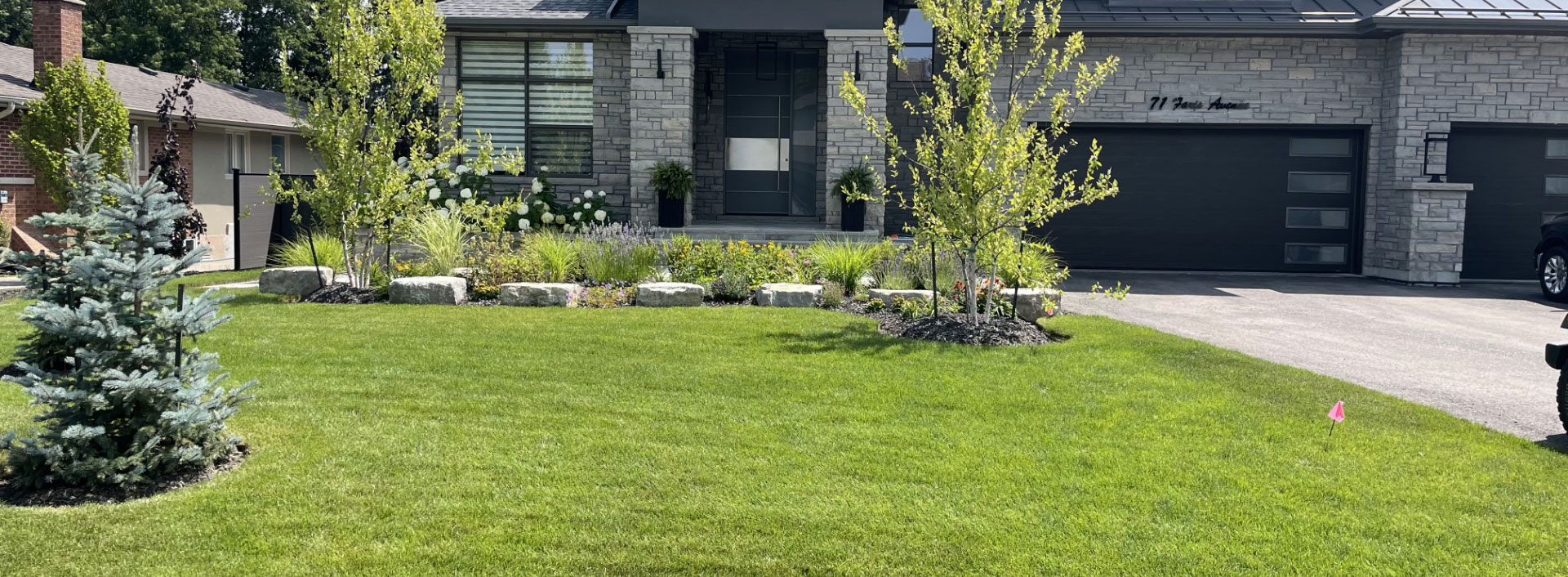
A healthy lawn isn’t just about looks — it needs to breathe, grow, and absorb water properly. But when thatch starts to build up, your grass can quickly lose its strength and colour. Thatch is a layer of dead grass, roots, and debris that forms between the soil and the green blades. Regular lawn care services can help manage this buildup and keep your lawn thriving. When too much thatch collects, it blocks water and nutrients from reaching the roots, causing your grass to struggle. Knowing when to dethatch can make a big difference in your lawn’s overall health and appearance.
Here’s how to recognize the signs that your lawn might need dethatching.
Your Grass Feels Spongy or Bouncy
Walk across your lawn and pay attention to how it feels under your feet. If it feels springy, almost like a sponge, that’s often a sign of thick thatch. This layer acts like a cushion, which might seem nice at first — but it actually prevents air and moisture from reaching the soil.
If you notice that your mower’s wheels sink slightly as you mow, it’s another clue that your lawn has too much thatch buildup.
Water Isn’t Soaking into the Ground
After watering or rainfall, check if the water sits on top of the grass instead of soaking in. Thatch can form a barrier that repels water, leaving the soil underneath dry and preventing it from absorbing moisture. As a result, your lawn may look green on top but suffer from weak roots underneath.
Over time, this can lead to uneven patches and bare spots, especially during hot or dry weather.
Grass Looks Dull or Patchy
If your lawn is losing its lush green colour even with regular watering and feeding, thatch might be the problem. When nutrients can’t reach the roots, your grass starts to thin out and lose its natural vibrancy.
You may notice certain areas where the grass appears browner or yellower than others. That’s often where the thatch layer is thickest.
It’s Hard to Pierce the Soil
Try pushing a garden tool or screwdriver into the ground. If it’s challenging to get through, that’s a clear sign that it’s compacting your lawn. A thick thatch layer can make the soil beneath hard and air-starved, making it challenging for new roots to grow.
A healthy lawn should let your tools go in smoothly. If it doesn’t, dethatching might be overdue.
Pests or Disease Are Showing Up
Thatch can hold excess moisture, creating the ideal environment for insects and fungi to multiply. If you’re noticing chinch bugs, grubs, or patchy lawn disease, a thick thatch layer might be the reason.
By removing this buildup, your lawn gets better airflow and becomes less inviting to pests.
Make Dethatching Easy with LawnMart
Your lawn deserves the best care, and dethatching is one of the simplest ways to revive it. Removing that thick layer helps your grass breathe again, absorb nutrients, and grow stronger roots.
Bring your lawn back to life. Contact us today and let LawnMart handle your lawn care needs so you can enjoy a thicker, greener lawn all season long.